
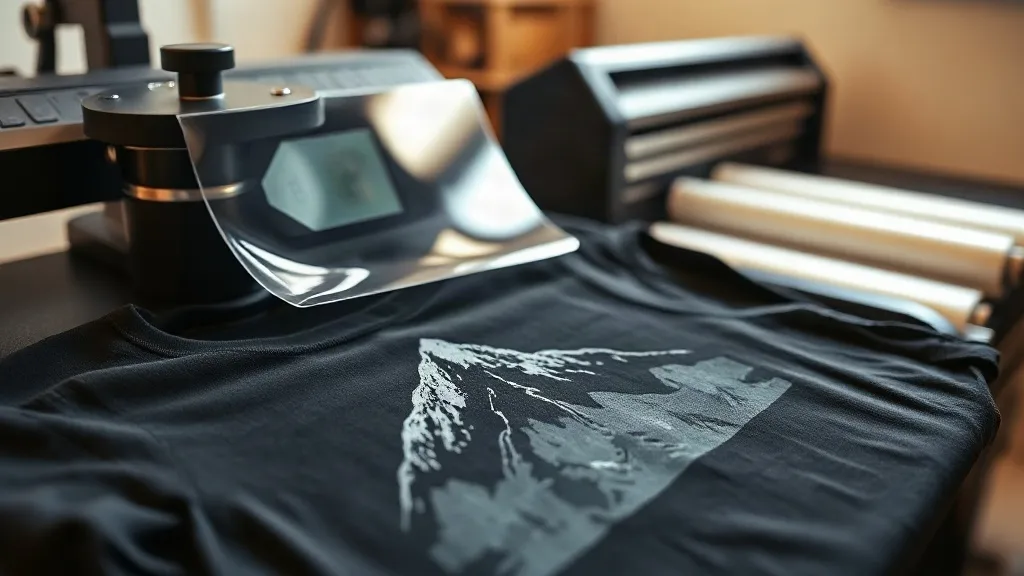
When it comes to creating custom apparel that stands out, DTF transfers have emerged as a game-changer for both hobbyists and professionals. Unlike traditional methods that limit you to certain fabrics or require complex setups, DTF (Direct to Film) printing offers unparalleled versatility and vibrant results on virtually any material. Whether you're running a small print-on-demand business or designing team jerseys, understanding DTF technology can elevate your creations and streamline your workflow.
What Are DTF Transfers?
DTF transfers are a type of heat-applied graphic produced through a digital printing process. The design is printed onto a special film, then coated with a powder adhesive, and finally transferred onto fabric using a heat press. This method eliminates the need for pre-treatment or specialized fabrics, making it incredibly accessible. The dtf process involves printing with water-based inks onto a PET film, which is then dusted with a thermoplastic polyurethane (TPU) powder while the ink is still wet. Once the excess powder is removed, the film is cured to melt the powder, creating a flexible, durable layer that bonds to fabric under heat.
Why Choose DTF Transfers for Your Projects?
There are several compelling reasons why DTF transfers have gained massive popularity:
- Fabric versatility: Works on cotton, polyester, blends, and even difficult materials like nylon and leather.
- No color limitations: Full-color, photorealistic designs are possible without the need for separate screens.
- Durability: Properly applied DTF transfers resist cracking, peeling, and fading even after multiple washes.
- Cost-effective for small batches: No minimum order quantities, making it ideal for one-offs or small runs.
- Soft hand feel: The prints are thin and flexible, avoiding the heavy, plastic-like texture of some other transfer methods.
These advantages make DTF a preferred choice for custom t-shirts, hoodies, tote bags, and more. Whether you're printing intricate logos or full-color photographs, DTF delivers impressive detail and color vibrancy.
The DTF Printing Process Step by Step
Understanding the workflow can help you achieve consistent, high-quality results. Here's a breakdown of the typical DTF process:
- Design preparation: Create your artwork in a graphics program and ensure it's mirrored (flipped horizontally) before printing.
- Printing: Load the DTF film into a DTF printer. The printer lays down a layer of white ink (for opacity) followed by color inks.
- Powder application: While the ink is wet, apply the TPU adhesive powder evenly over the printed area. Shake off excess.
- Curing: Place the film in a curing oven or use a heat press to melt the powder. This step is crucial for adhesion and durability.
- Transfer: Set your heat press to the recommended temperature (usually around 160°C or 320°F) and press the transfer onto the fabric for 10-15 seconds with medium pressure.
- Peel: Wait for the transfer to cool completely (cold peel) before removing the film. This ensures the design stays intact.
Each step requires attention to detail, but with practice, the process becomes second nature. Many professionals prefer DTF because it eliminates the messy weeding and layering associated with vinyl and the setup time of screen printing.
DTF vs. Other Printing Methods
How does DTF stack up against other popular decoration techniques?
DTF vs. Screen Printing
Screen printing is cost-effective for large orders with few colors, but DTF shines for complex, multi-color designs and small batches. DTF also requires less setup and no screens, making it more flexible for on-demand production.
DTF vs. DTG (Direct to Garment)
DTG prints directly onto the fabric, which works well on 100% cotton but struggles with polyester and blends. DTF, on the other hand, adheres to almost any fabric and often produces more vibrant colors on dark garments due to the white ink base.
DTF vs. Vinyl
Heat transfer vinyl (HTV) is great for simple one-color designs but is limited in detail and color. DTF handles gradients, photographs, and fine lines with ease, and it doesn't require weeding.
Applications of DTF Transfers
The versatility of DTF transfers opens up a world of possibilities:
- Custom apparel: T-shirts, hoodies, polo shirts, and more for teams, events, or personal use.
- Accessories: Tote bags, backpacks, and hats.
- Home décor: Pillow covers, aprons, and fabric banners.
- Promotional items: Branded merchandise for businesses.
Because DTF works on both light and dark fabrics, you can experiment with bold designs on black shirts or subtle pastels on white. The possibilities are endless.
Tips for Successful DTF Transfers
To ensure your transfers look professional and last long, keep these tips in mind:
- Use quality supplies: Invest in reputable DTF film and powder. Cheap materials can lead to poor adhesion and fading.
- Control moisture: Store film and powder in a dry environment. Moisture can ruin the powder and affect print quality.
- Preheat fabric: Before pressing, preheat the garment for a few seconds to remove wrinkles and moisture.
- Adjust pressure and temperature: Follow the recommended settings for your specific heat press and film. Too much heat can scorch the fabric, while too little can cause poor adhesion.
- Cold peel: Always wait for the transfer to cool completely before peeling the film. Peeling while hot can distort the design.
- Wash inside out: To prolong the life of your DTF-printed apparel, wash inside out in cold water and tumble dry low.
Common Challenges and Solutions
Even experienced users encounter issues. Here's how to troubleshoot:
Transfer not adhering
Check if the powder was properly cured and if the heat press settings are correct. Ensure the fabric is clean and dry.
Design cracking
Cracking often results from insufficient pressure or uneven cooling. Make sure the press is level and apply consistent pressure.
Color fading
Use high-quality inks and film. Also, avoid washing with harsh chemicals or high heat.
Conclusion: Embrace the Versatility of DTF
DTF transfers have democratized custom apparel printing, offering professional-grade results without the steep learning curve. Whether you're a seasoned pro or just starting, incorporating DTF into your repertoire can expand your creative possibilities and meet the growing demand for personalized products. With the right techniques and supplies, you'll achieve stunning, durable prints that impress your customers and keep them coming back.
Frequently Asked Questions
What fabrics can I use with DTF transfers?
DTF transfers work on a wide range of fabrics, including cotton, polyester, blends, nylon, and even leather. The key is to ensure the fabric can withstand the heat press temperature (usually around 160°C or 320°F).
How long do DTF transfers last?
With proper application and care, DTF transfers can last as long as the garment itself. They resist cracking, peeling, and fading through numerous washes when washed inside out in cold water and dried on low heat.
Do I need a special printer for DTF?
Yes, DTF printing requires a DTF printer that uses water-based pigment inks and a film. However, you can also purchase pre-printed DTF transfers from suppliers if you don't want to invest in a printer.
Can I use DTF on dark shirts?
Absolutely. DTF transfers include a white ink layer that provides a bright, opaque base, making colors pop on dark fabrics. This is one of the biggest advantages over DTG printing.
What is the best way to store DTF transfers?
Store unused DTF transfers in a cool, dry place away from direct sunlight and moisture. Keep them in a sealed bag or container to prevent dust and humidity from affecting the adhesive powder.