Custom patches in fashion are more than decorative accents; they tell personal stories on fabric. From the history of custom patches to today’s on-demand collections, designers use patches to narrate identity, culture, and craft. The rise of patch embroidery fashion has transformed simple adornment into a language of style that remains accessible through DIY and licensed collaborations. As the wear patches trend continues to evolve, its appeal lies in personalization, sustainability, and the way patches fit into fashion customization trends. Whether you’re collecting vintage patches or designing a capsule with contemporary motifs, custom patches in fashion invite you to wear a narrative.
Viewed through another lens, the rise of patch-based adornments can be described as garment embellishment and badge-inspired textile art. Embroidered emblems, appliqué motifs, and woven badges offer designers a flexible vocabulary for personal expression. This on-demand approach to personalization aligns with broader fashion customization trends and the desire for unique, story-rich wardrobes. As brands and independent creators experiment with licensing, collaboration, and digital design tools, these patch-based elements move beyond novelty to lasting identity markers.
The History of Custom Patches: From Utility to Fashion Identity
The history of custom patches traces a path from military insignia and scout badges to everyday wear, where patches became symbols of belonging, rank, and achievement. Early patches were often hand-embroidered and built to withstand tough conditions, laying the groundwork for a culture of personalization that would extend beyond uniforms.
Across the mid-20th century, varsity jackets and sewn-on emblems turned school pride into a style statement. As youth culture embraced self-expression, patches became a storytelling medium, with bands, clubs, and collectors trading designs and signaling identity. This era marks a pivotal moment in the history of custom patches as they shifted from functional markers to personal accessories with lasting cultural resonance.
Patch Embroidery Fashion: Craft, Technology, and Mass Production
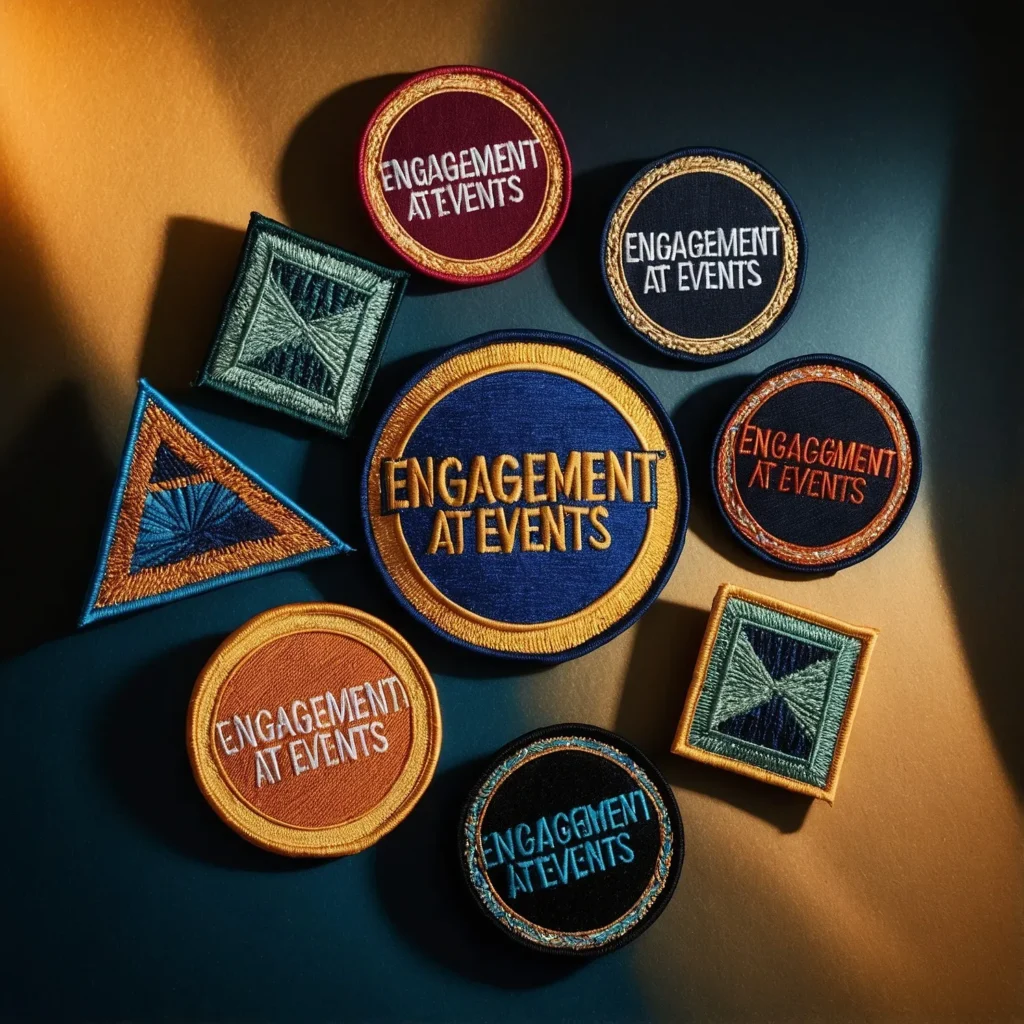
Patch embroidery fashion emerged as a dedicated craft, with designers digitizing motifs, punching out fabric, layering textures, and stitching multiple colors. Initially labor-intensive, the process evolved as sewing machines and tools improved, enabling more consistent reproduction and broader experimentation.
Factories could scale patch production, supporting limited editions and fan collectives. The result was a growing market for patches that blend art, culture, and craft, turning embroidery into a scalable product for brands and enthusiasts alike.
Wear Patches Trend: From DIY Subcultures to Mainstream Streetwear
The wear patches trend gained momentum in punk, ska, and rock scenes from the 1970s to the 1990s. Patches served as visual protest, humor, and coded language signaling membership and shared values within a subculture. The wear patches trend became a visual language fans could instantly recognize.
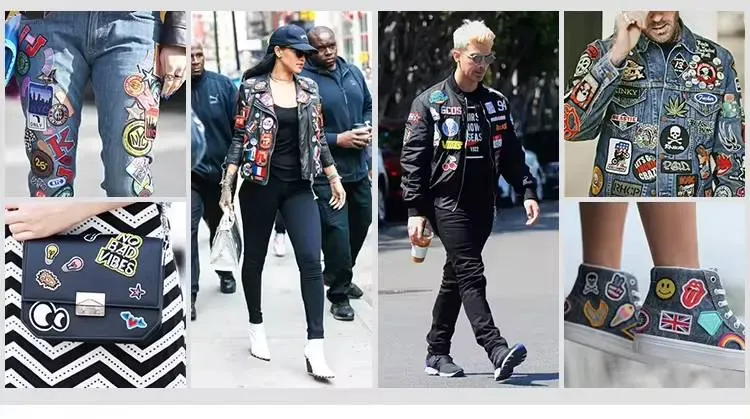
Iron-on patches broadened access, letting hobbyists personalize denim jackets, backpacks, and sneakers. This DIY ethos expanded the patch market beyond professional embroidery and reinforced the wear patches trend as a mainstream fashion statement that connects generations of style enthusiasts.
Fashion Customization Trends and the Patch Economy
Fashion customization trends drive the modern patch economy, with on-demand production, licensing, and collaborative lines. Designers release patches individually or in bundles, supported by advances in embroidery, digital printing, and heat-transfer methods that expand color, texture, and durability.
Consumers seek personalized pieces to express identity while reducing waste. Patches offer a low-commitment, updatable option, building community around shared motifs and aligning with fashion customization trends and sustainable practices.
Custom patches in fashion: Licensing, Collaboration, and Cultural Dialogue
Licensing and collaboration connect fans with brands through custom patches in fashion. Licensed patches—from bands, films, or sports teams—create direct links between communities and their interests, while independent artists explore limited runs in collaboration with retailers.
For designers and retailers, practical guidance includes choosing production methods (embroidery, printed, or woven), selecting durable fabrics and backing, and packaging bundles that build a patch culture. By focusing on ethical production and mindful design, custom patches in fashion can thrive within sustainable business models.
Sustainability, Ethics, and the Future of Patch Design
Sustainability and ethics shape patch creation today. Eco-conscious producers opt for organic or recycled fabrics, low-impact dyes, and responsible manufacturing practices, while reusable backings and durable threads extend patch life and reduce waste.
The future of patch design may blend traditional craft with digital tools, enabling broader accessibility and new experiences, including augmented reality that links physical patches to digital storytelling. As designers navigate culture, technology, and ethics, patches continue to evolve as a mindful, expressive medium.
Frequently Asked Questions
What is the history of custom patches and how did they evolve into fashion?
The history of custom patches begins with military insignia, scouts, and team badges used to signal belonging and achievement. In the mid-20th century, varsity jackets popularized sewn-on emblems, turning patches into style statements. Over time, bands, clubs, and collectors traded patches, transforming a utilitarian feature into a narrative fashion accessory that reflects identity and culture.
How does patch embroidery fashion work, and why is it central to modern apparel?
Patch embroidery fashion combines digitizing designs, fabric punching, layering, and multi-color stitching to create durable, textured motifs. This craft enables scalable production of limited editions and patch sets, blending artisanal detail with textile manufacturing and letting brands tell stories through wearable embellishments.
What is the wear patches trend across streetwear and DIY culture today?
The wear patches trend is driven by streetwear, punk, ska, and DIY communities. Patches convey messages, affiliations, or humor, and iron-on options make personalization accessible beyond professional embroidery, expanding use on denim, backpacks, hats, and sneakers.
How do fashion customization trends influence the use of custom patches in fashion today?
Fashion customization trends favor on-demand production, licensing, and collaborative design. Brands release patch lines that fans can buy individually or in bundles, enabling personal expression while reducing waste. This on-demand patch economy supports unique styling and community-building around shared motifs.
What should brands consider when producing or licensing custom patches in fashion?
Brands should evaluate patch production methods (embroidery, printed, woven), fabrics, durability, backing, and heat-setting. Licensing can link patches to bands, films, or teams, while collaborations expand reach. Prioritize ethical sourcing and sustainability to align with responsible fashion production.
How can consumers style custom patches in fashion to tell a personal story?
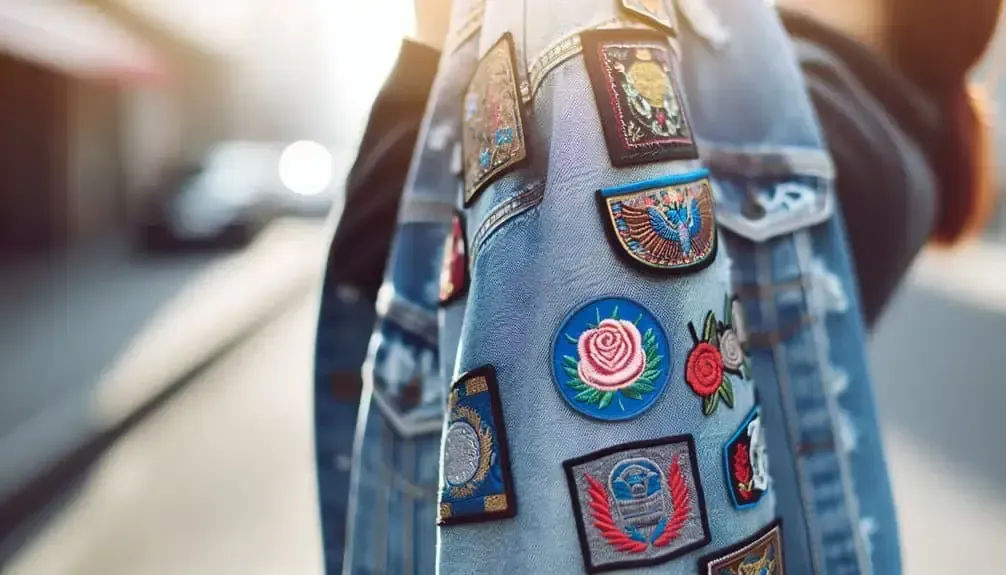
Start with thoughtful placement on jackets, bags, or hats. Coordinate patch colors with outfits and layer patches for depth—larger patches as focal points with smaller accents. A curated set of 3–7 patches often communicates a clear theme or narrative.
| Topic | Key Point | Notes / Examples |
|---|---|---|
| Origin and Purpose | Patches started as utilitarian flags for belonging and achievement. | Used by military units, scouts, and sports teams; durable embroidery. |
| Mid-20th Century Adoption | From utility to fashion; varsity jackets popularized sewn-on emblems; self-expression grows. | Bands, clubs, and collectors traded patches; patches became personal statements. |
| Craft & Business | Embroidery evolves into a dedicated craft with scalable production. | Digitizing, layering, and multi-color stitching; limited editions and markets for patch sets. |
| Streetwear & DIY Rise | Patches become visual protest, humor, and coded subculture language. | DIY ethos, iron-on patches expand accessibility beyond professional embroidery. |
| Modern Patch Economy | On-demand, licensing, and collaborations shape the market. | Embroidered, printed, or woven patches; bundles; customization; tech-enabled options. |
| Why Patches Matter | Low-commitment way to alter a look; adds tactile texture and sustainability. | Updates to wardrobes instead of full replacements; heritage craft meets modern design. |
| Styling & Display | Placement, color coordination, and layering are key to coherence. | 3–7 patches often create a balanced focal set. |
| Choosing the Right Patches | Message and material matter for style and longevity. | Classic embroidery for timeless looks; bold typography or surreal graphics for trend-forward looks; sustainable materials preferred. |
| Manufacturing & Licensing | Licensing and collaborations connect fans with brands and artists. | On-demand production reduces inventory risk; patch bundles and customization options boost engagement. |
| Cultural Impact & Future | Patches reflect identity, culture, and expression; sensitivity and diversity matter. | Digital design tools and AR could bridge physical patches with new experiences. |
| Ethics & Sustainability | Sustainable sourcing and mindful production are increasingly prioritized. | Eco fabrics, low-impact dyes, reusable backings; durable threads extend life and reduce waste. |
| Narrative & Identity | Patches function as stories sewn into fabric. | Colors, shapes, and symbols convey milestones, interests, and affiliations. |
Summary
Custom patches in fashion demonstrate how tradition and technology converge to tell personal stories on everyday garments. The evolution from utilitarian markers to expressive fashion statements reveals a market driven by on-demand production, licensing, and collaborative design. Patches offer accessible personalization that blends heritage craft with contemporary aesthetics, while boosting sustainability through updates rather than wholesale wardrobe changes. As ethical production, cultural sensitivity, and digital tools expand, patches will continue to shape fashion narratives, connect communities, and inspire creative experimentation.