Custom shirts unlock personal expression through thoughtfully designed graphics and messages that feel as good as they look. This guide blends creative ideas with practical steps, from choosing fabrics to exploring custom shirt design ideas that read clearly on different sizes. You’ll learn about options like screen printing vs DTG, embroidery on shirts, and DIY shirt customization to fit your budget, including tips for custom shirts printing. Choosing the right method hinges on durability, color, and volume, ensuring your custom shirts not only look bold but stay vibrant after washes. By balancing design and technique, you can turn a simple idea into a wearable statement that stands out in any wardrobe.
Seen through a different lens, the same concept becomes personalized apparel that speaks to a brand, team, or personal style. Think of made-to-order garments where artwork, typography, and color are mapped to the fabric and audience. From a branding perspective, embroidered accents and branded clothing can reinforce identity just as effectively as a bold tee. Evaluating your options with durability, washability, and cost mirrors the practical choices behind printing or embroidery while still honoring handcrafted appeal.
1. Concept to Creation: Exploring custom shirt design ideas that shout
From the moment you sketch, the concept of a custom shirt begins to take shape. The concept stage is where you test ideas for balance, impact, and message, ensuring that a bold focal point can communicate clearly even at a distance. By exploring custom shirt design ideas, you can craft a strong visual story that translates across sizes and mediums, whether you’re branding a team, a brand, or a personal project.
To keep the design approachable and repeatable, start with constraints: a strong focal graphic or a single word mark, a limited color palette, and deliberate placement—central chest, left chest, back prints, or sleeve details. This approach aligns with the real-world needs of custom shirts printing and helps you avoid overcomplication that can blur on fabric. As you brainstorm, consider how the idea reads on various fabrics and at different viewing distances, so your final concept remains legible and impactful.
2. From Sketch to Mockup: Digital tools for successful custom shirts printing
Translating rough sketches into digital mockups is a pivotal step that locks in the approach before production. Vector graphics provide crisp lines at any scale, and they are easy to adjust for colorways, sizes, and garment types. If you’re new to this process, begin with simple shapes and typography, then iterate to test balance and readability across multiple shirt types such as tees, long sleeves, or hoodies.
In the digital realm you can preview how the design sits on light versus dark shirts and see how color interacts with fabric. A well-thought mockup minimizes surprises during production and speeds up decision-making for custom shirts printing. This stage also offers a practical workflow for aligning team or client expectations before investing in screens, inks, or embroidery.
3. Choosing the Right Base: Fabric, color, and performance for embroidery on shirts
The base fabric is more than a backdrop; it shapes comfort, drape, and how well the printing or embroidery will perform over time. Cotton remains a staple for softness and print compatibility, but blends such as poly cotton or ring-spun fabrics offer moisture-wicking, durability, and color retention that can better suit certain designs. For athletic or event merchandise, performance fabrics that handle heat and wash cycles can keep graphics looking fresh longer.
Color strategy matters too. Light or heather bases maximize legibility for light ink on dark fabrics, while dark shirts require inks with higher opacity to ensure visibility. The chosen base and cut should balance budget, timeline, and wearability, helping ensure that your custom shirts feel as good as they look.
4. Printing and Embellishments: Deciding between screen printing vs DTG and more
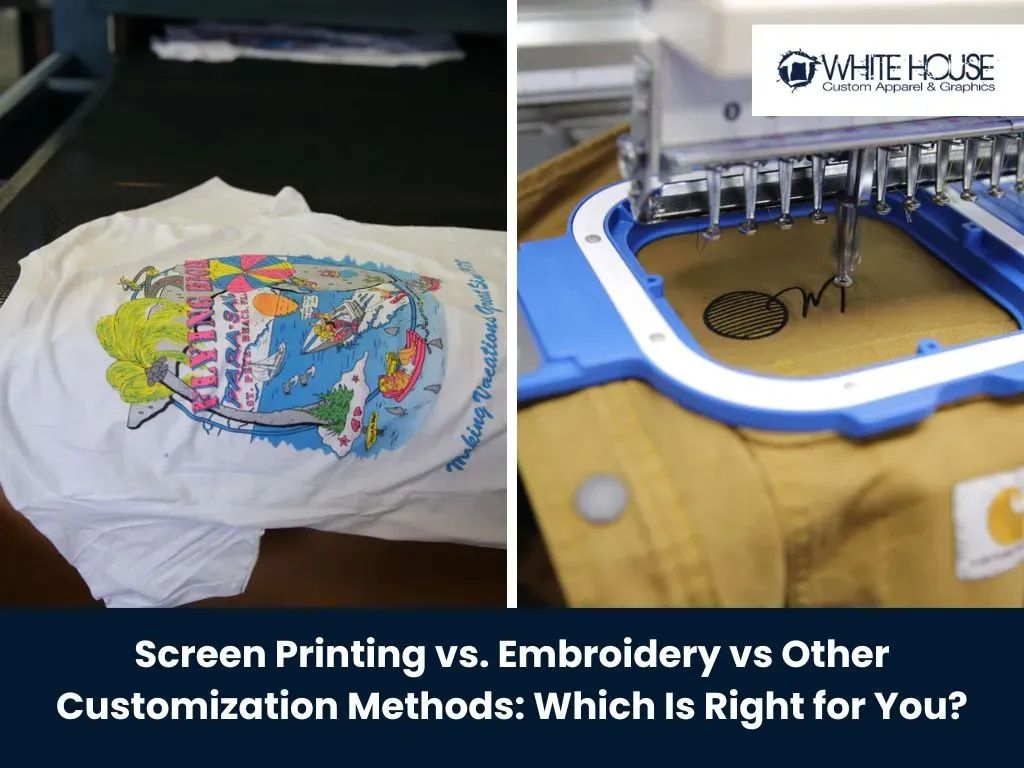
Printing and embellishment options drive the overall look and durability of custom shirts. The main methods—screen printing, direct to garment (DTG), heat transfer, and embroidery—each bring a distinct texture and footprint. Screen printing offers vibrant color and durability for larger runs, while DTG excels with complex multicolor images and gradients on cotton-based fabrics.
Embroidery adds texture and a premium feel, especially for logos and initials, though it comes with higher costs and limitations in fine detail. Heat transfer can reproduce full-color imagery but may crack or peel over time if not applied properly. Understanding these options helps you match the technique to design complexity, order size, and the garment’s intended use.
5. DIY Shirt Customization and Production Planning: Practical steps for hands-on creation
For designers who love hands-on work, DIY shirt customization offers a rewarding path. At home or in a small studio, you can experiment with iron-on vinyl, stencils, hand-painted details, and fabric markers. DIY methods can be cost-effective for prototypes or limited editions, but they require careful heat application, fabric compatibility checks, and proper washing instructions to ensure durability.
Production planning is essential once the design is finalized. Plan for sizes, stock, and lead times, especially if you’re selling in bulk. Run a small batch first to test sizing and fit, and conduct wash tests to verify colorfastness and durability. A good supplier or printer will provide specification sheets with recommended washes, heat settings, and curing times to help your sketches stay intact through repeated wear.
6. Budget, Case Studies, and Real-World Outcomes: Lessons from custom shirts printing projects
Cost management is a key factor in delivering a successful custom shirt project. When pricing designs, factor in base garment cost, ink or embroidery costs, setup fees for screen printing, and any color or location changes. Outline the minimum order quantity and unit price, and plan for colorways or alternate prints to keep options open for different audiences.
Finally, look to real-world examples and case studies to learn what works. Observing how brands use custom shirts to reinforce branding, whether for events, teams, or clubs, can reveal effective color schemes, typography, and balance between graphic elements. Iteration is essential—review designs, test prints, and refine your approach so that your final shirts look as good in your portfolio as they perform in wearers’ hands.
Frequently Asked Questions
What are strong custom shirt design ideas to make your custom shirts stand out?
Start with a strong focal point: a bold graphic or a single word mark reads best on a shirt. Use a limited color palette (2–4 colors) to maximize contrast and keep costs down. Place the design thoughtfully—central chest, left chest, back, or sleeve—and verify readability with digital mockups and vector graphics as you move from sketch to shirt. This approach mirrors solid custom shirt design ideas and helps ensure the final garment catches the eye.
How do you choose between screen printing vs DTG for custom shirts printing?
Screen printing is cost-effective for large runs and simple color palettes, delivering durable ink on custom shirts printing. Direct-to-garment (DTG) printing shines in small runs or designs with gradients and many colors. For best results, match the method to your design complexity and quantity, and consider a mixed approach—screen printing for bulk colors and DTG for limited editions.
What should you know about embroidery on shirts when designing custom shirts?
Embroidery on shirts adds texture and a premium feel, making it a strong branding option for logos and initials. It’s durable and high quality, but costs more and has limits in fine detail; for intricate artwork, pairing embroidery with screen printing or DTG can achieve a premium layered look.
What is DIY shirt customization and how can beginners start with custom shirts?
DIY shirt customization lets you experiment at home with iron-on vinyl, heat transfer, stencils, or fabric markers. Start with a simple design on a quality base shirt, then test wash cycles and heat settings to gauge durability. Follow proper heat application and fabric compatibility to avoid peeling or cracking and iterate before producing a larger run.
How should I choose a shirt base for custom shirts printing or embroidery?
Choose a shirt base that matches your printing or embroidery needs. Cotton is common for its softness and print compatibility, while blends offer moisture-wicking and color retention. For performance or dark fabrics, select fabrics that maximize ink opacity and legibility, and consider budget and lead times when selecting the base.
What practical workflow from sketch to shirt helps custom shirts stand out?
A practical workflow starts with a strong concept and message, moves to digital mockups, tests multiple colorways and shirt types, then selects a printing or embroidery method. Plan production with sizes, stock, and lead times, and include wash tests to verify durability. This from sketch to shirt approach helps create custom shirts that look great in portfolio and wear well in the real world.
| Key Point | Summary |
|---|---|
| Concept to Mockups | Ideas evolve from rough sketches to digital mockups that show placement, read at distances, and interaction with fabric color; alignment with team/client goals. |
| Design Principles | Start with a strong focal point, use a limited color palette, and consider placement options (center chest, left chest, back, sleeves). |
| Digital Mockups & Vectors | Vector graphics give crisp lines at any scale; iterate with shapes/typography; preview colorways and shirt types (tees, long sleeves, hoodies). |
| Shirt Base & Color | Base fabric affects comfort, drape, and print performance; cotton vs blends; light vs dark bases influence ink legibility; budget guides selection. |
| Print & Embellishment Options | Main methods include screen printing, DTG, heat transfer, and embroidery; each has distinct look, cost, and maintenance. |
| Screen vs DTG | Screen printing is cost-effective for large runs with bold colors; DTG suits small runs and complex color gradients with quick turns. |
| Embroidery | Offers texture and premium feel; good for logos/initials; higher cost and limited fine detail; can be combined with other methods. |
| DIY & Production | DIY approaches (iron-on, vinyl, stencils) are affordable for prototypes but require careful heat/ washing considerations. |
| Production Planning | Plan sizes, stock, and lead times; run small batches for fit tests; use spec sheets for washes and curing times. |
| Cost Management | Factor base garment, ink/embroidery, setup fees, color/location changes; set minimums and budgets; plan colorways. |
| Real-world Examples | Case studies show branding use, color schemes, typography, and balancing elements; iterate for wearability and durability. |
| Structured Workflow | From concept to mockups, test multiple shirt types, perform test prints, and iterate to final designs with wearer in mind. |
Summary
Conclusion: Custom shirts distill a creative idea into wearable art through a blend of design wit and practical printing know-how. With a clear focus on custom shirts, solid design ideas, and a plan for printing or embroidery, you can produce shirts that stand out in every sense. Remember to test designs across fabrics, prints, and washing cycles, and be prepared to iterate. The journey from sketch to shirt is as rewarding as the final product, and every finished piece is a testament to the care and craft that goes into producing truly custom shirts.